

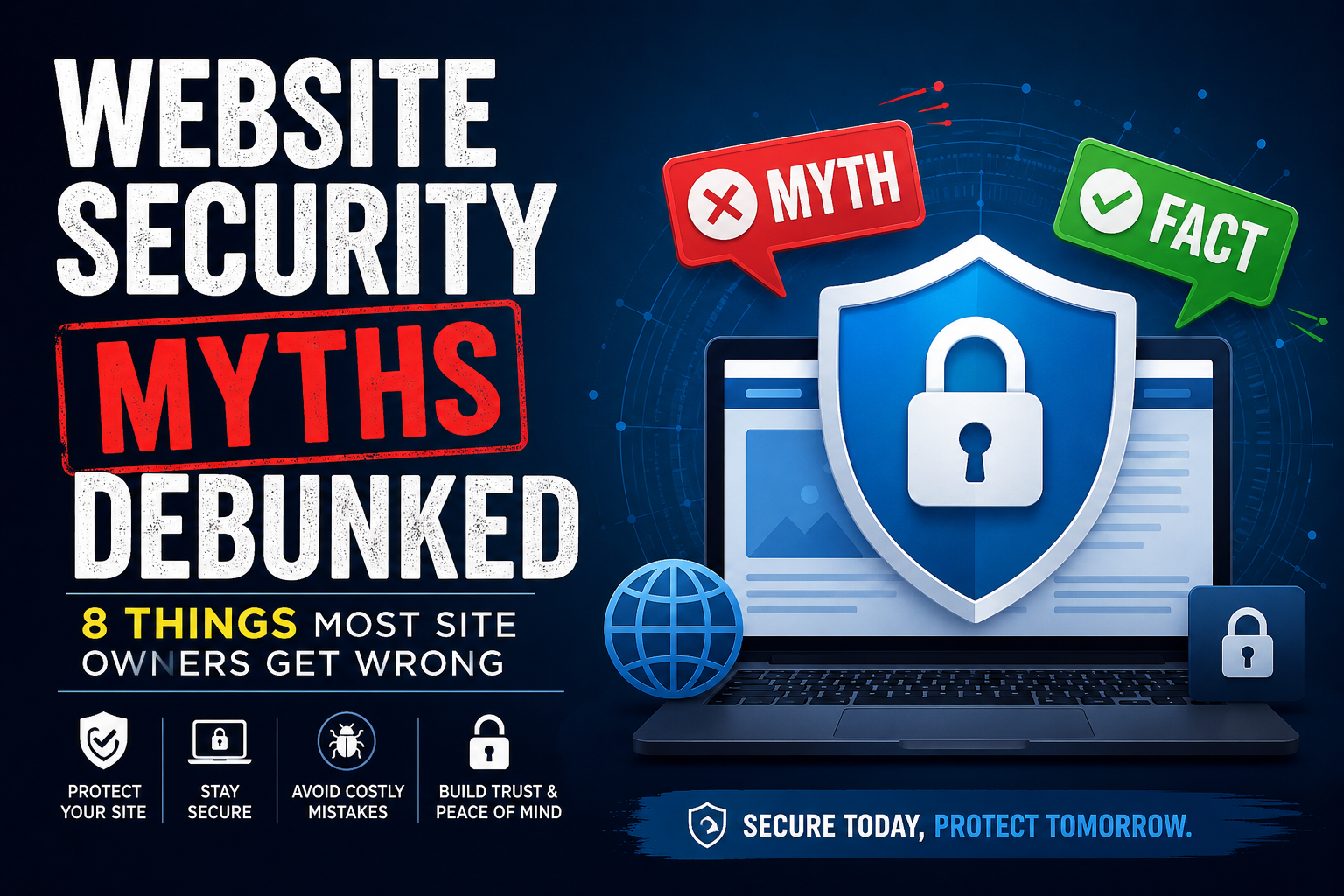
Website security is one of those topics where dangerous half-truths thrive. Most site owners have picked up a few assumptions along the way — from hosting sales pages,


Most website owners imagine hackers as sophisticated criminals who carefully select their targets, study them for weeks, and execute precisely planned attacks. In reality, the vast majority of
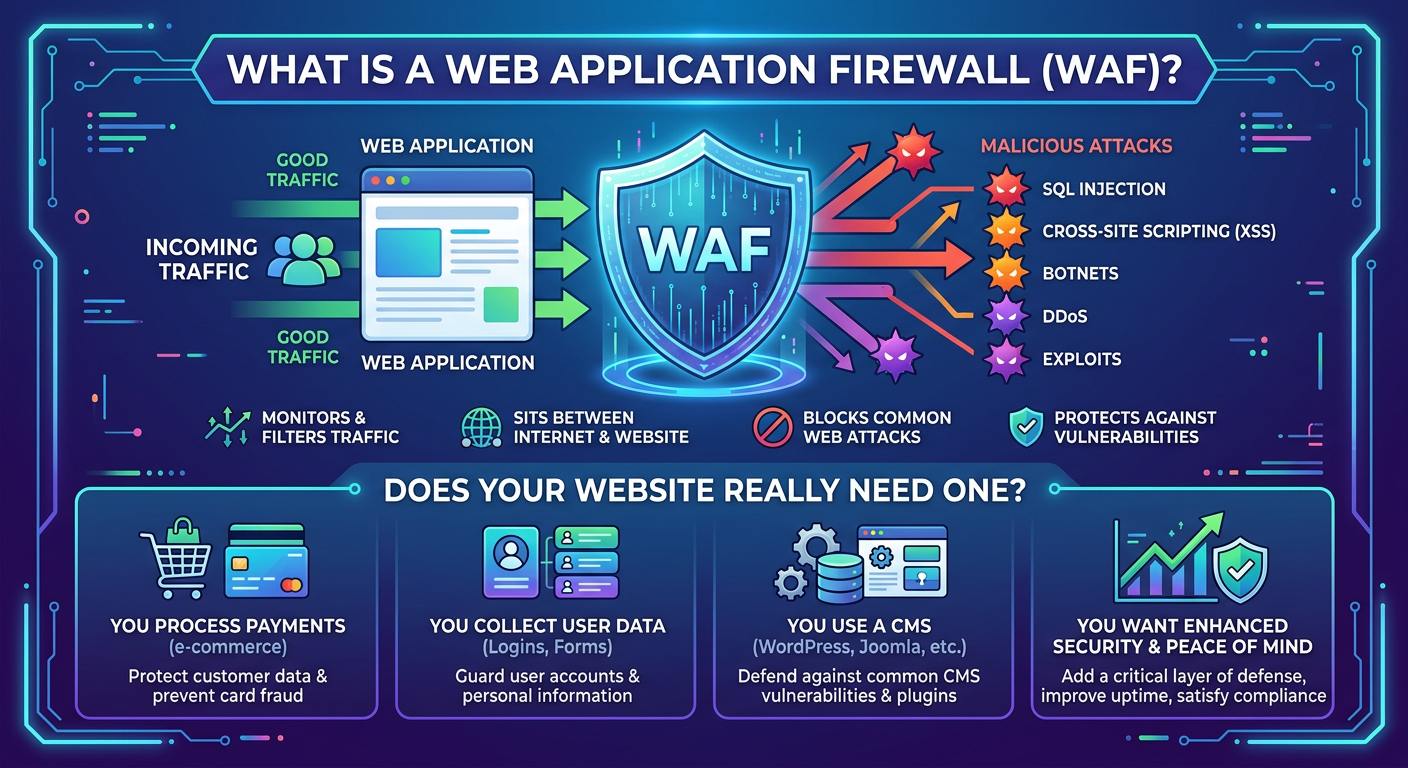
If you’ve spent any time researching website security, you’ve almost certainly come across the term ‘Web Application Firewall’ — or WAF. It tends to sound technical and enterprise-grade,

Running an eCommerce store means you’re responsible for something most websites never handle: other people’s money and personal data. Every order placed on your site involves a customer
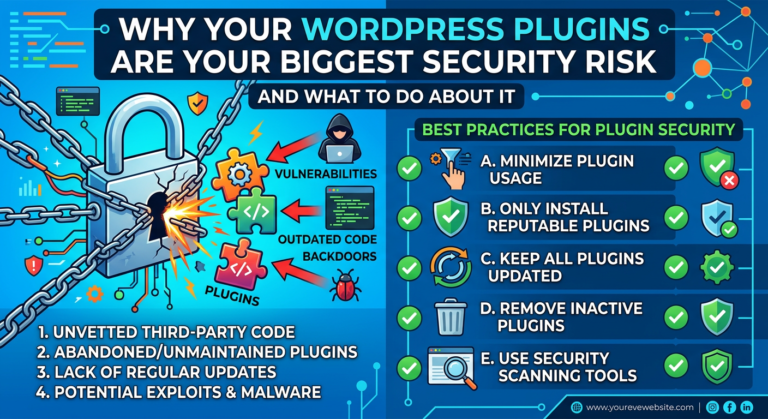
WordPress is the world’s most popular content management system — powering over 40% of all websites on the internet. And its plugin ecosystem is a huge part of
Natural Skincare Products for Healthy Skin | Complete Guide 2026 ✦ Clean Beauty Guide 2026 Natural Skincare Productsfor Healthy, Radiant Skin Your complete guide to botanical ingredients, science-backed

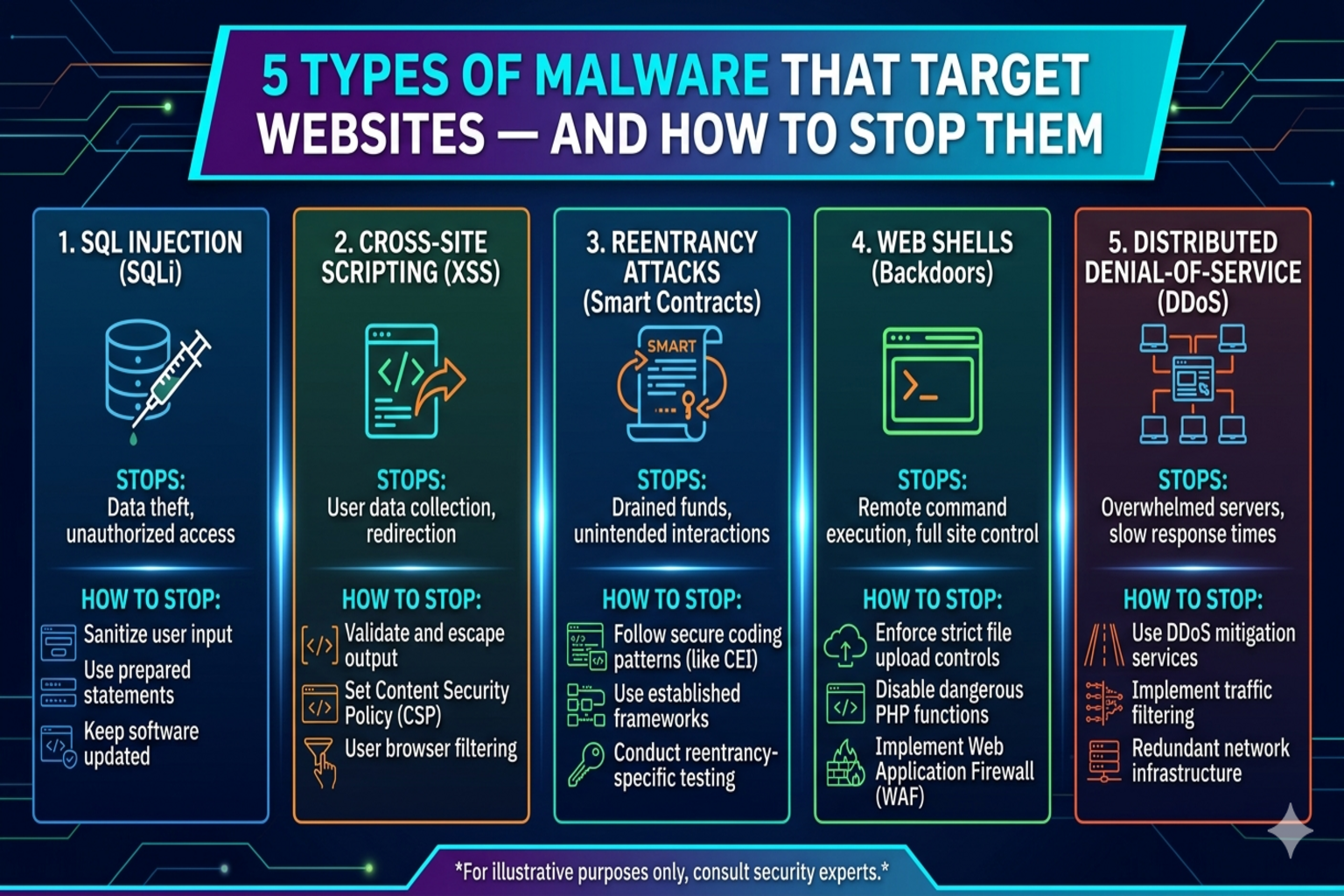
Malware isn’t just something that happens to desktop computers. Websites are one of the most common targets for malicious software — and the variety of attack types is
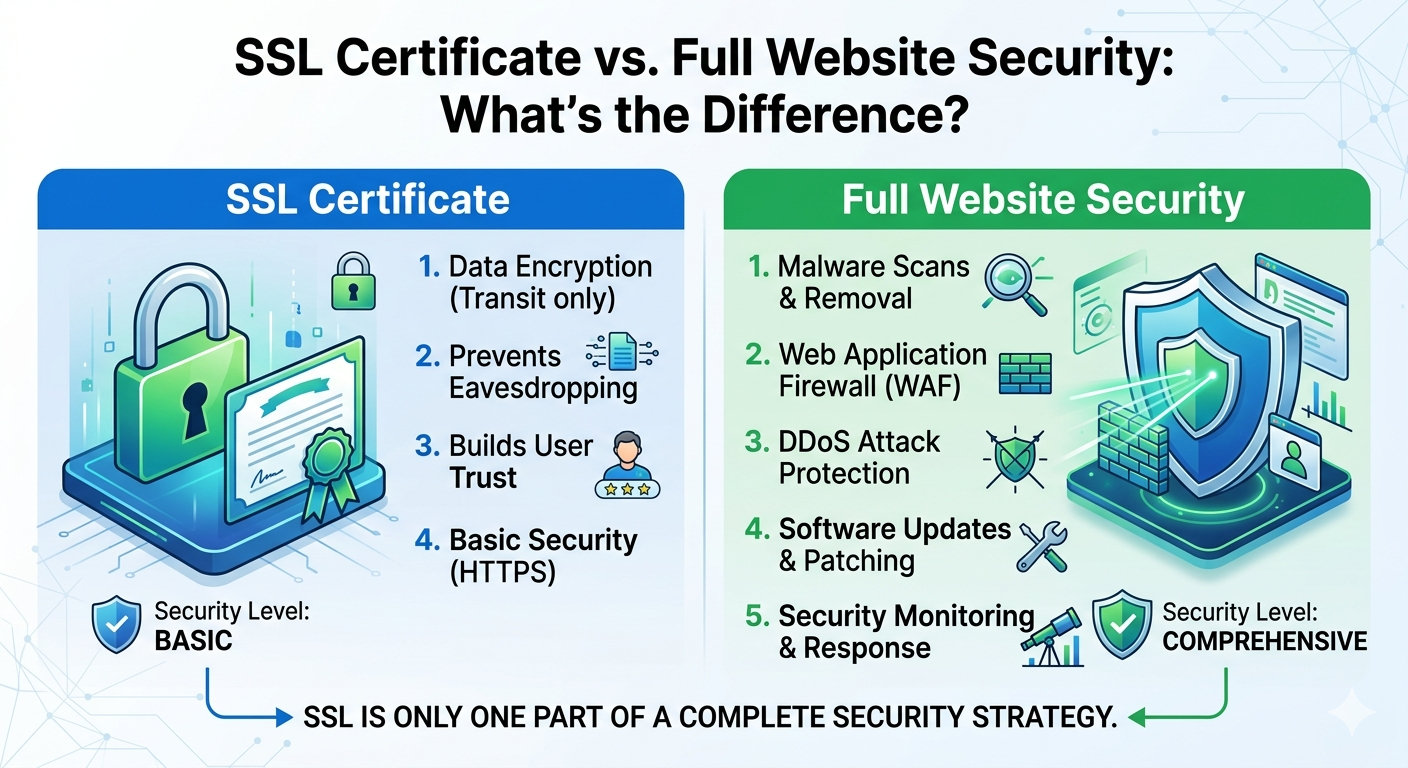
If your website has a padlock icon in the browser bar, you might feel like your security bases are covered. You have HTTPS. You have an SSL certificate.

You’ve just discovered your website has been hacked. Maybe Google is showing a warning to your visitors. Maybe your hosting provider sent a suspension notice. Maybe a customer
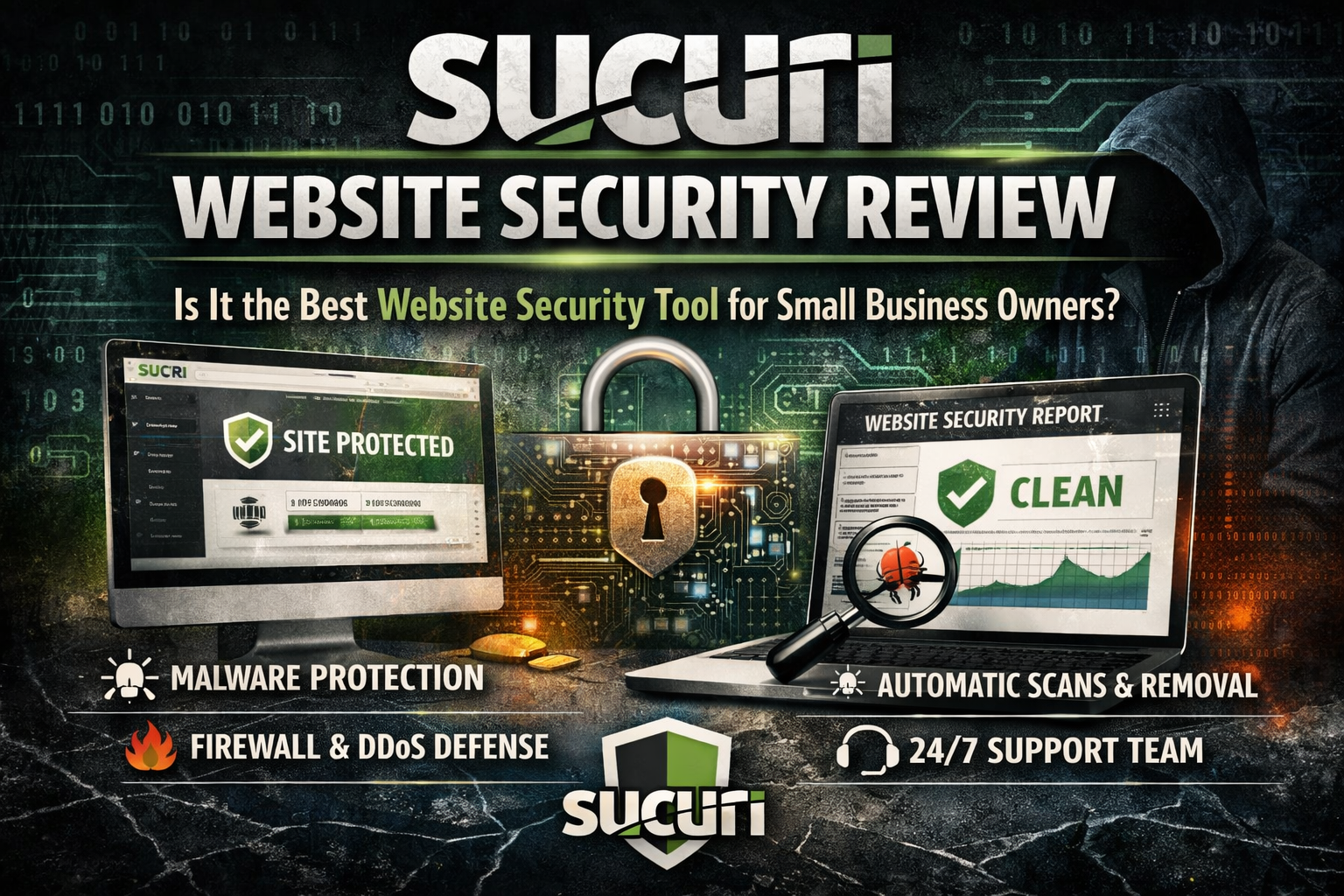
If you’ve been researching website security tools, you’ve almost certainly come across Sucuri. It’s one of the most recognizable names in the industry — but with so many
