

Introduction
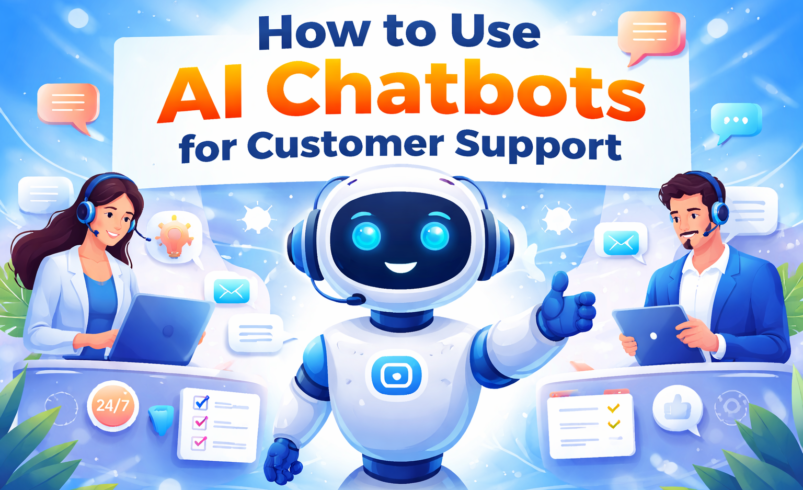
In today’s competitive digital landscape, customer expectations have evolved far beyond simple communication. People now expect instant replies, personalized interactions, and seamless support across multiple platforms. Businesses that fail to meet these expectations risk losing potential customers within seconds. This is where AI chatbots for customer support have become a game-changing solution.
Modern AI chatbots are no longer basic automated responders. They are intelligent systems capable of understanding user intent, engaging in meaningful conversations, and even guiding customers through the entire buying journey. Platforms like Livserv demonstrate how businesses can automate conversations, capture leads, and improve conversions—all while maintaining a high level of customer satisfaction.
Understanding how to use AI chatbots effectively is not just about technology—it’s about creating better customer experiences that drive long-term growth.
What Makes AI Chatbots Powerful Today
AI chatbots have evolved into smart digital assistants that combine automation with intelligence. Unlike traditional support systems, they can handle conversations in a way that feels natural and helpful.
Modern chatbots are designed to:
- Understand user intent using AI
- Provide instant and accurate responses
- Handle multiple conversations simultaneously
- Learn and improve from interactions
Additionally, advanced chatbot systems can integrate with websites, WhatsApp, and social media platforms, creating a complete omnichannel support experience.
This means customers can interact with your business from anywhere, without any delay.
Why AI Chatbots Are Essential for Customer Support
The rise of AI chatbots for customer support is driven by real business needs. Companies are adopting chatbots not just to reduce workload, but to improve efficiency and customer satisfaction at scale.
From a practical perspective, chatbots help businesses:
- Respond instantly instead of making users wait
- Provide 24/7 support without interruptions
- Reduce dependency on large support teams
- Maintain consistent communication quality
- Handle thousands of users at once
More importantly, AI chatbots can also increase conversions by guiding users toward decisions, such as completing a purchase or booking a service.
How to Use AI Chatbots Effectively (Real Implementation Strategy)
Using chatbots effectively requires more than just installation. It involves planning, training, and continuous improvement.
The first step is understanding your customers deeply. You need to identify what users are searching for when they visit your website. Most queries usually revolve around product information, pricing, availability, and support issues. Once you understand these needs, you can design chatbot conversations that directly address them.
Next comes training the chatbot. Modern platforms allow you to train bots using FAQs, documents, and even website content. This ensures that responses are accurate and relevant.
Placement is also critical. A chatbot should appear at the right time—such as when a user is browsing products or about to exit the page. This increases engagement and reduces bounce rates.
At the same time, businesses should maintain a hybrid approach. While chatbots handle routine queries, complex issues should be transferred to human agents. This combination ensures both efficiency and empathy in customer support.
AI Chatbots vs Traditional Customer Support
| Feature | Traditional Support | AI Chatbots |
|---|---|---|
| Response Time | Slow (minutes to hours) | Instant |
| Availability | Limited hours | 24/7 |
| Cost | High | Low |
| Scalability | Limited | High |
| Consistency | Varies | Consistent |
| Data Handling | Manual | Automated |
Key Features of AI Chatbots (Based on Industry Standards)
Modern chatbot platforms offer powerful features that go beyond basic automation. These features are essential for delivering high-quality support.
Core Features Include:
- AI-powered conversations with context understanding
- Multi-language support for global users
- CRM and tool integrations
- Real-time analytics and performance tracking
- Lead capture and qualification
- Workflow automation
- Omnichannel deployment (website, WhatsApp, social media)
These capabilities allow businesses to automate not just support, but also sales and customer engagement processes.
Advanced Use Cases of AI Chatbots
As businesses grow, chatbots can be used in more advanced ways to improve performance and engagement.
Instead of just answering questions, chatbots can:
- Recommend products based on user behavior
- Capture and qualify leads automatically
- Assist users during checkout
- Send follow-up messages and reminders
- Upsell and cross-sell products
These advanced capabilities turn chatbots into sales assistants, not just support tools.
Common Challenges and How to Overcome Them
Even though chatbots are powerful, improper implementation can reduce their effectiveness.
Common mistakes include:
- Making chatbot conversations too complex
- Using robotic or unnatural language
- Not updating responses regularly
- Ignoring user feedback
- Not providing human support backup
To avoid these issues, businesses should focus on simplicity, clarity, and continuous improvement.
Future of AI Chatbots in Customer Support
The future of AI chatbots for customer support is driven by rapid advancements in artificial intelligence.
In the coming years, we can expect:
- More human-like conversations
- Voice-enabled chatbot interactions
- Better emotional understanding
- Deeper personalization
- Integration with advanced technologies
Chatbots will not just assist customers—they will predict needs and act proactively.
Frequently Asked Questions (FAQ)
1. What are AI chatbots used for?
They are used to answer queries, provide support, track orders, and guide users automatically. You can learn more about artificial intelligence from this resource.
2. Can chatbots replace humans?
No, they handle basic queries, but humans are needed for complex issues.
3. Is setup difficult?
No, most tools are beginner-friendly. You can also explore general website and SEO basics in Google’s guide.
4. Do chatbots increase sales?
Yes, they guide users and improve conversions.
5. Are chatbots good for small businesses?
Yes, they are cost-effective and scalable, making them suitable for businesses of all sizes.
Conclusion
AI chatbots have become a powerful tool for modern businesses looking to improve customer experience and operational efficiency. By understanding how to use AI chatbots, companies can provide faster support, reduce costs, and increase conversions.
The key to success lies in using chatbots strategically—keeping interactions simple, focusing on user needs, and continuously improving performance. When implemented correctly, chatbots can become one of the most valuable assets for your business.